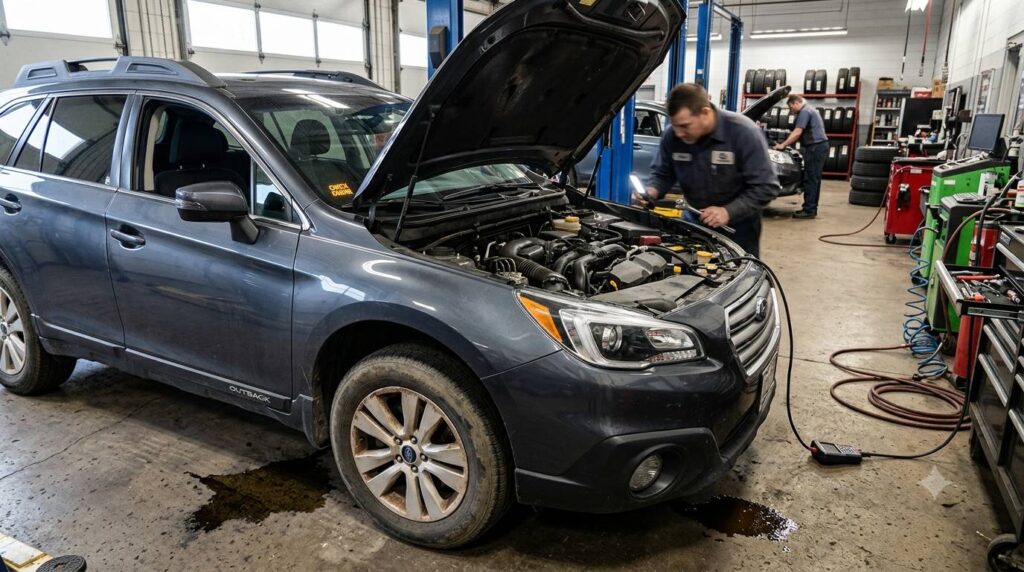
Recognising early warning signs that your vehicle requires mechanical attention is essential for keeping your car safe, reliable, and efficient on the road. Many motorists tend to ignore subtle changes in performance, assuming small glitches will resolve themselves. However, addressing minor faults promptly prevents unexpected breakdowns and protects you from facing far more extensive, costly repairs down the line.
Modern cars communicate their condition through various sensory cues, including unfamiliar noises, vibrations, and visual indicators. Seeking advice from an established brake and clutch centre harrow drivers rely on helps diagnose underlying mechanical issues accurately before safety is compromised. Understanding what your vehicle is telling you empowers you to take decisive action, ensuring every journey remains smooth and stress-free.
Unfamiliar Sounds and Braking Changes
Audible warning signals are often the first sign that critical mechanical components are suffering from excessive wear. Squeal or grinding noises when pressing the foot pedal usually indicate that your friction pads have worn down to their wear indicators. Leaving these components unserviced can score the metal discs, leading to reduced stopping power and compromised road safety.
Changes in how the pedals respond underfoot also demand immediate investigation by experienced technicians. Booking a thorough inspection with a trusted brake and clutch centre harrow motorists visit guarantees that hydraulic fluid levels, lines, and pedal responsiveness are checked thoroughly. If the pedal feels unusually spongy, soft, or sinks all the way to the floor, immediate professional intervention is required to restore system pressure.
Dashboard Warning Lights and Electrical Signals
Illuminated dashboard symbols serve as your vehicle’s built-in alert system, highlighting immediate faults across various internal sensors. While a yellow light usually suggests an upcoming service requirement, a flashing or red icon signals an urgent issue that requires prompt mechanical evaluation. Ignoring these indicators can lead to engine overheating, electrical failure, or severe transmission damage.
- Check Engine Light: Indicates emission control, sensor, or fuel delivery issues.
- Battery Warning Light: Signals an alternator malfunction or a dying battery unit.
- Oil Pressure Symbol: Warns of dangerously low oil levels or lubrication failure.
- ABS Indicator: Highlights a fault within the anti-lock braking system.
Performance Drops and Gear Changes
A sudden drop in acceleration responsiveness or unusual roughness while idling suggests fuel or ignition system trouble. If your car struggles to pick up speed or feels like it is misfiring, worn spark plugs, clogged filters, or fuel injector issues could be the root cause. Continuing to drive under these conditions stresses the engine and increases fuel consumption noticeably.
Transmission difficulties, such as delayed gear engagement or slipping while accelerating, also point toward mechanical wear. Manual gearboxes may feel stiff or produce a burning smell, while automatics might hesitate or jerk during gear shifts. Prompt professional checks prevent gear wear from escalating into complete gearbox replacement.
Steering Instability and Unusual Vibrations
Vibrations felt through the steering wheel or seat cushions often point to wheel imbalance, misaligned suspension, or uneven tyre wear. When a vehicle pulls noticeably to one side on a straight road, steering alignment needs correction to maintain control. Driving with poor alignment causes premature tyre degradation and places unnecessary strain on suspension bushings.
- Wheel Wobble: Indicates unbalanced tyres or bent wheel rims.
- Squeaking over Bumps: Suggests worn shock absorbers or suspension joints.
- Uneven Tread Wear: Points directly to poor wheel alignment or incorrect tyre pressure.
- Stiff Steering: Signals low power steering fluid or pump issues.
Conclusion
Staying attentive to your car’s performance, sounds, and dashboard alerts is the best way to avoid sudden breakdowns and expensive garage bills. Addressing early warning signs immediately ensures that minor mechanical wear does not turn into major structural or engine damage. Regular monitoring keeps your vehicle running smoothly while protecting its long-term resale value.
Relying on experienced technicians for routine checks and timely repairs guarantees that every safety system functions as intended. Prioritising preventative maintenance keeps you, your passengers, and other road users safe on every journey. By acting on these warning signs early, you can enjoy confident, hassle-free motoring throughout the year.